
High housing costs are being driven by growing income inequality, a new study says. Prepared by a Canadian and three American professors, the study found that the cost of housing in the United States, owned or rented, rose as average per capita incomes rose since 1980. But income growth has been very concentrated among higher income earners and rising costs of housing were largely responding to demand from those with higher-than-average incomes, who can afford to pay more for the housing they want. But those higher prices have meant that lower income earners, whose incomes haven’t grown much in that period, have struggled with housing costs that have become less and less affordable.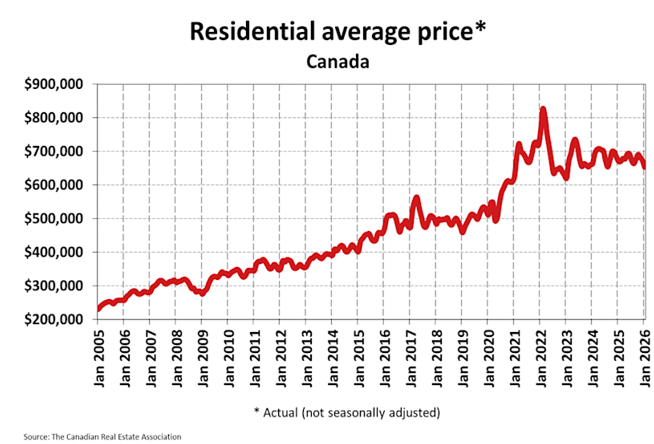
The study, published by the London School of Economics and Political Science, also concluded that increasing the supply of housing, while important for other reasons, is unlikely to produce greater affordability. A good summary of the report can be found here.
This analysis did not include the impact of investors, who tend to drive housing prices even higher by outbidding those seeking a house to live in.
Though income inequality has not risen as much in Canada as in the United States, it seems likely that the same pattern of high-income earners pushing up housing costs has happened here, which was suggested indirectly in a 2020 study by Canada Mortgage and Housing Corporation researchers who examined housing prices and inequality.